


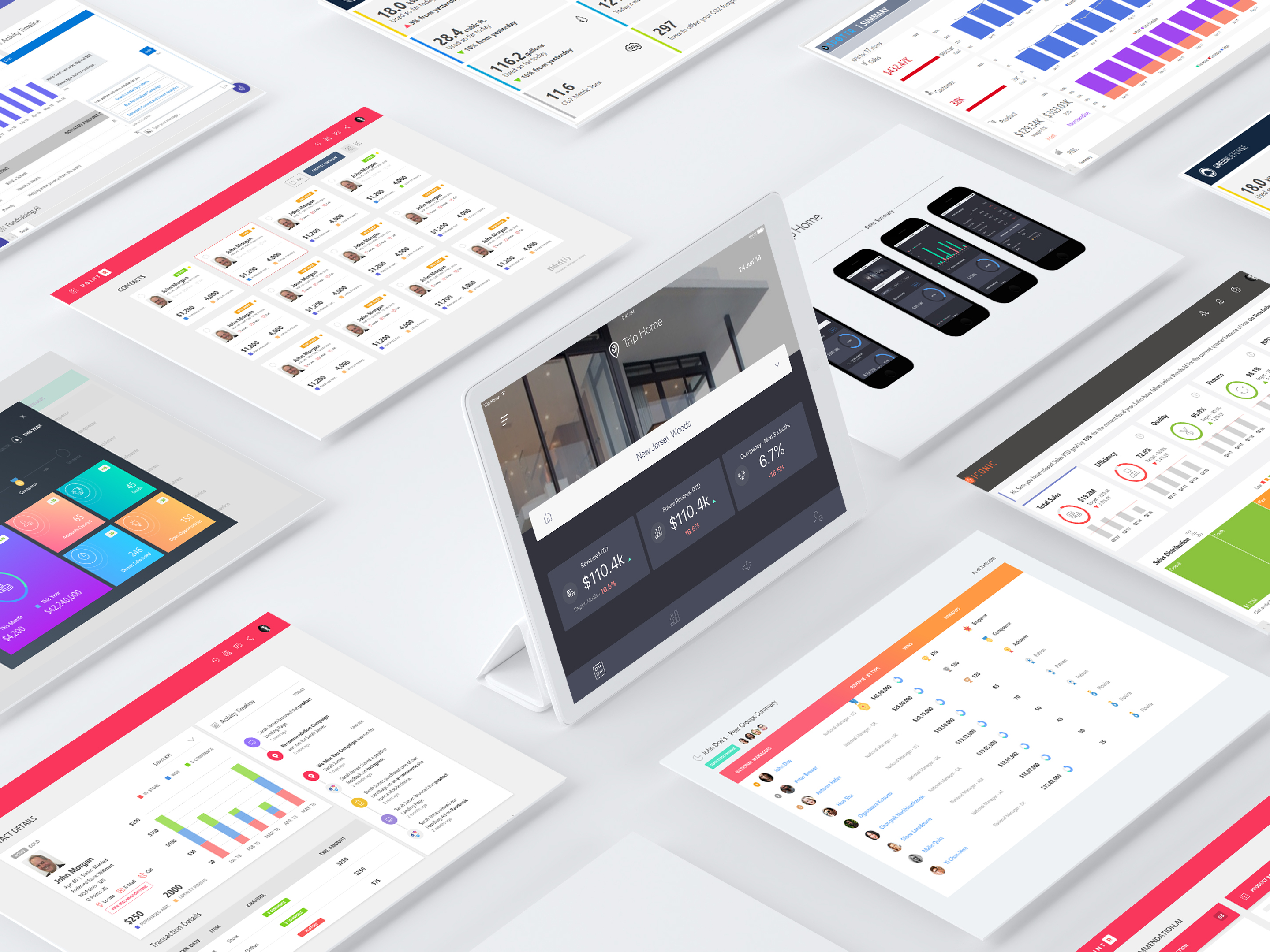
These platforms are designed to help businesses implement and maintain their business applications and CRM solutions, ultimately leading to increased ROI and customer engagement. In this article, we will explore how these platforms can be integrated and utilized to streamline processes and improve business workflows.
Microsoft Dynamics is a suite of enterprise resource planning (ERP) and customer relationship management (CRM) software applications. It is designed to help businesses automate and streamline financial, supply chain, and customer relationship processes. Microsoft Dynamics can be customized to meet the unique needs of different businesses and industries, making it a versatile solution for organizations of all sizes.
Microsoft Power Platform is a low-code platform that allows businesses to build custom applications and automate workflows. It includes Power Apps, Power BI, and Power Automate, each of which offers unique features and capabilities. Power Apps allows businesses to create custom mobile and web applications without extensive coding knowledge, while Power BI provides data visualization and analytics tools. Power Automate enables businesses to automate processes across different applications and services.
Integration of Microsoft Dynamics and Power Platform
When integrated, Microsoft Dynamics and Power Platform create a powerful solution that can streamline business workflows and processes. Power Apps can be used to build custom applications that integrate with Microsoft Dynamics, allowing employees to access data and complete tasks from a single platform. Power Automate can be used to automate processes across different applications, further streamlining workflows. Power BI can be used to generate reports and visualize data, providing businesses with insights that can be used to optimize processes and improve decision-making.
Benefits of Integration
The integration of Microsoft Dynamics and Power Platform offers several benefits for businesses. Firstly, it allows for the automation of time-consuming and repetitive tasks, freeing up employees to focus on higher-value tasks. Secondly, it provides businesses with real-time data and insights, enabling quicker and more informed decision-making. Thirdly, it allows businesses to streamline processes and workflows, reducing errors and improving efficiency. Finally, it can lead to increased ROI and customer engagement, as businesses are able to make better use of their resources and provide a better customer experience.
Implementation and Maintenance
While the integration of Microsoft Dynamics and Power Platform can provide significant benefits for businesses, it is important to ensure that the implementation and maintenance is done correctly. This includes ensuring that the platforms are properly configured and customized to meet the unique needs of the business. It also involves troubleshooting and resolving any issues that arise during the implementation process. Employee training is also crucial to ensure that employees are able to effectively utilize the platforms and understand their benefits.
Comparative Analysis
When considering the integration of Microsoft Dynamics and Power Platform, it is important to conduct a comparative analysis of other solutions in the market. This can help businesses determine whether these platforms are the best fit for their needs and identify any potential drawbacks. It is also important to consider the scalability of the platforms, as businesses may need to expand their capabilities as they grow.
Niche Markets and Adaptability
Microsoft Dynamics and Power Platform are highly adaptable solutions that can be customized to meet the unique needs of different businesses and industries. This makes them a great fit for niche markets, where off-the-shelf solutions may not be suitable. The adaptability of these platforms also means that businesses can make changes as their needs evolve, ensuring that they continue to meet the needs of the business.
Conclusion
The integration of Microsoft Dynamics and Power Platform can provide significant benefits for businesses, including streamlined processes, increased ROI, and improved customer engagement. However, it is important to ensure that the implementation and maintenance is done correctly, and that employees are properly trained to utilize the platforms effectively. When considering these platforms, it is also important to conduct a comparative analysis and consider their adaptability to niche markets. By doing so, businesses can ensure that they are making the best use of technology solutions to stay ahead of the competition.
We Illuminate Paths of Potential. Our adept ensemble navigates the complex tech landscape, delivering precise solutions. With clarity, vision, and mastery, we transform challenges into measurable milestones for businesses and their teams.


